Insulation of boilers
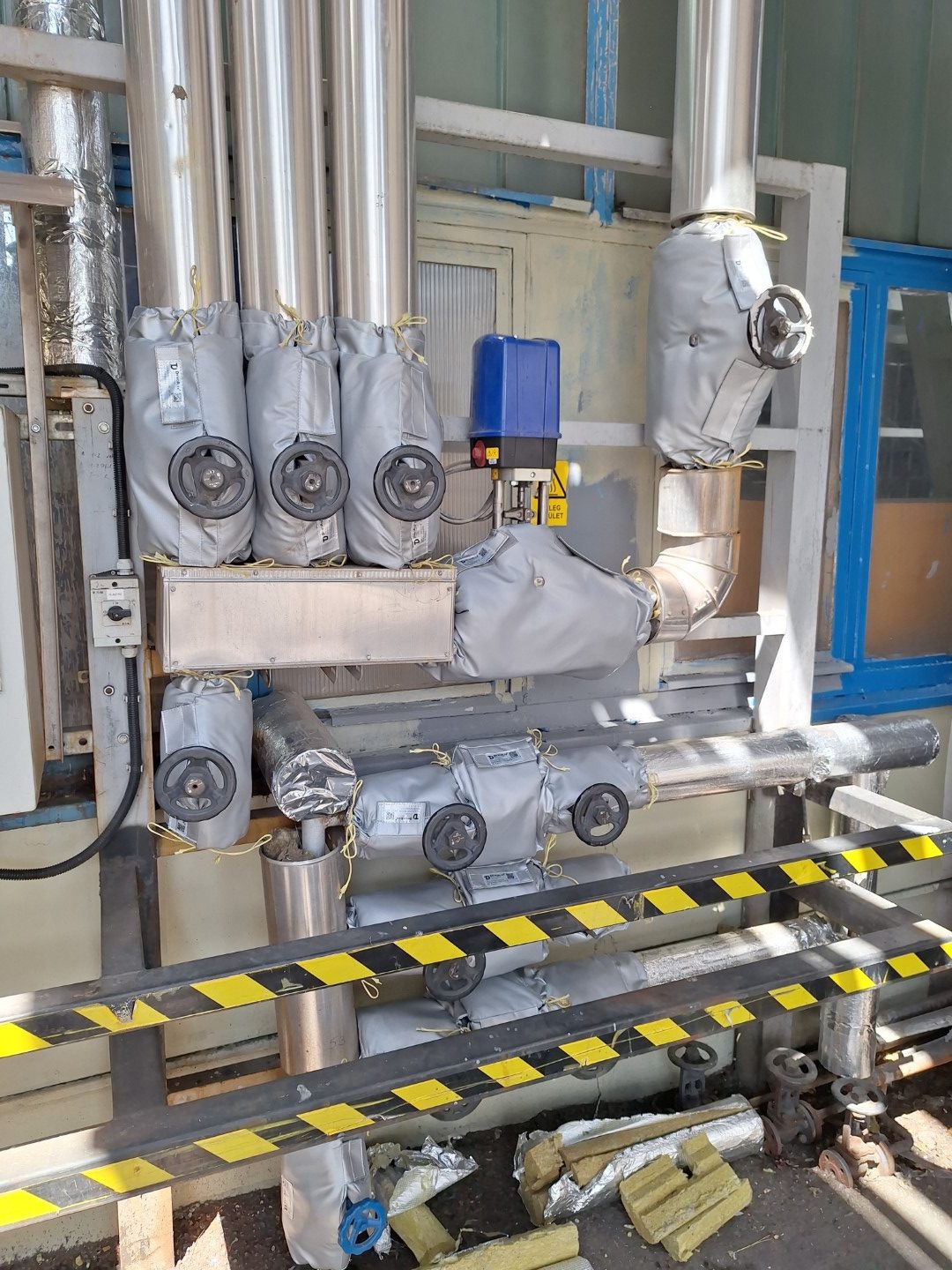
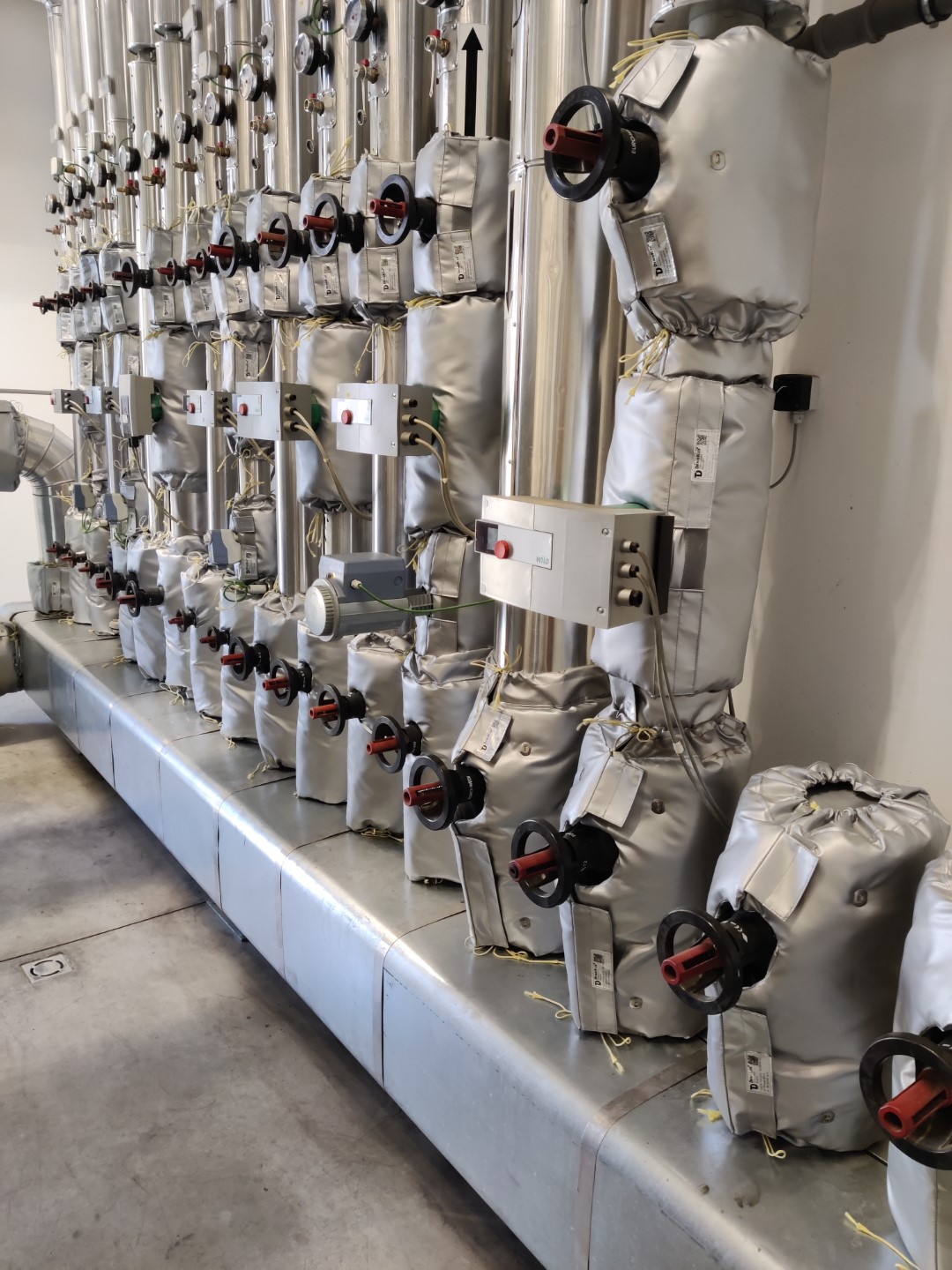
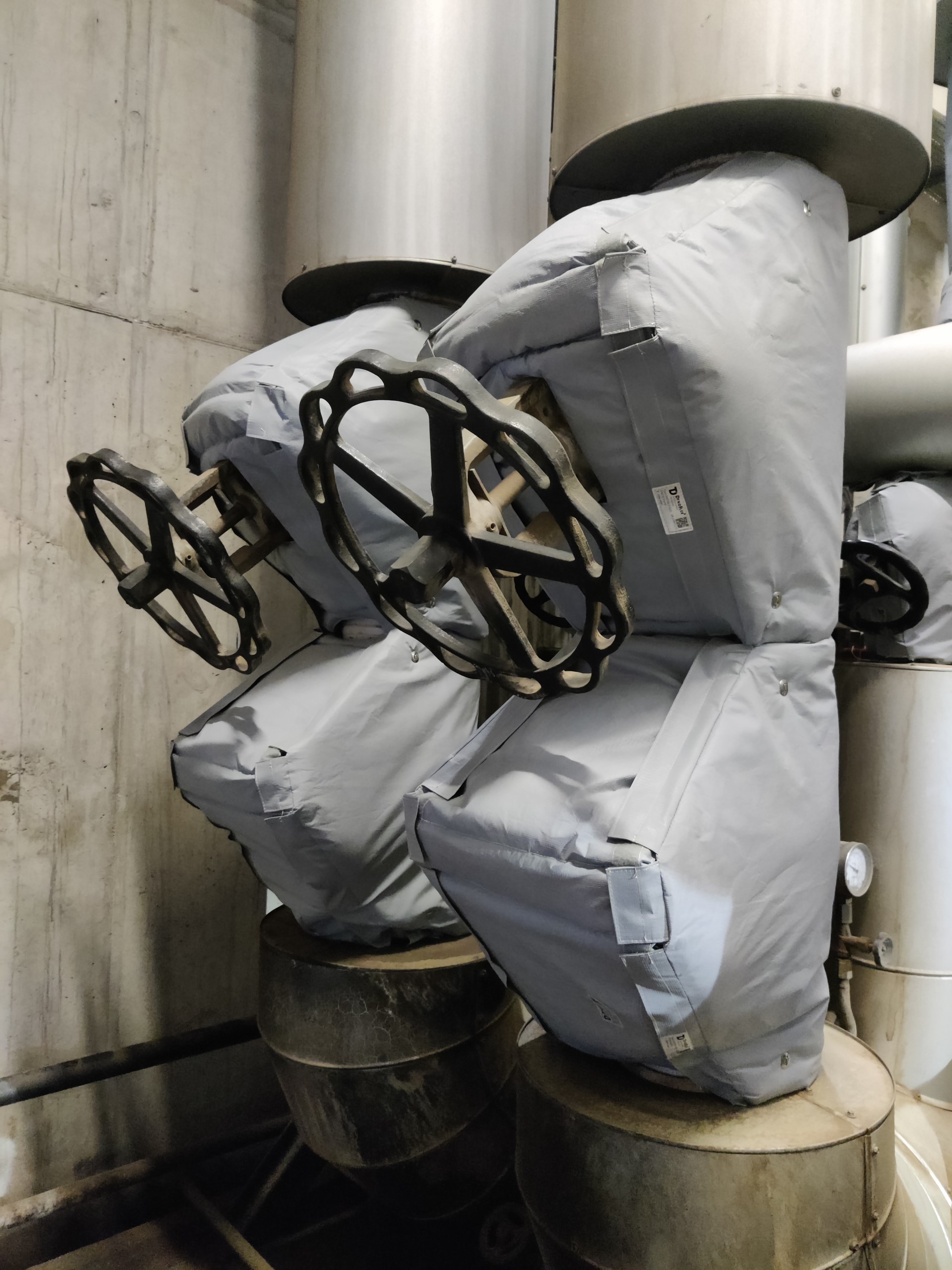
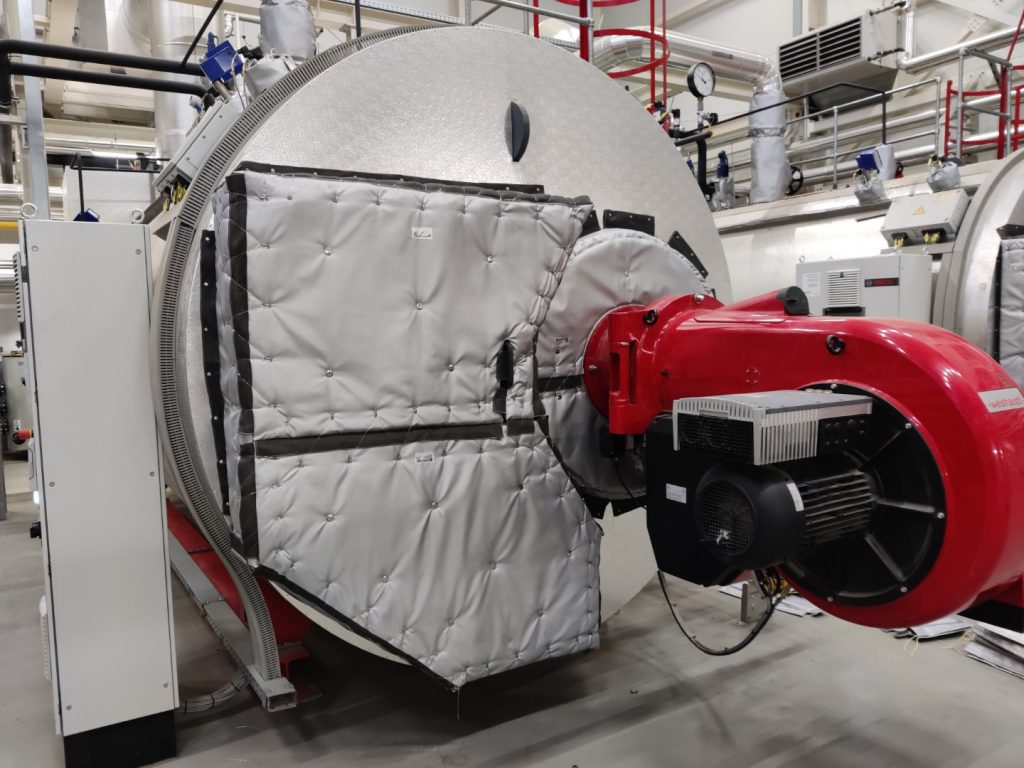
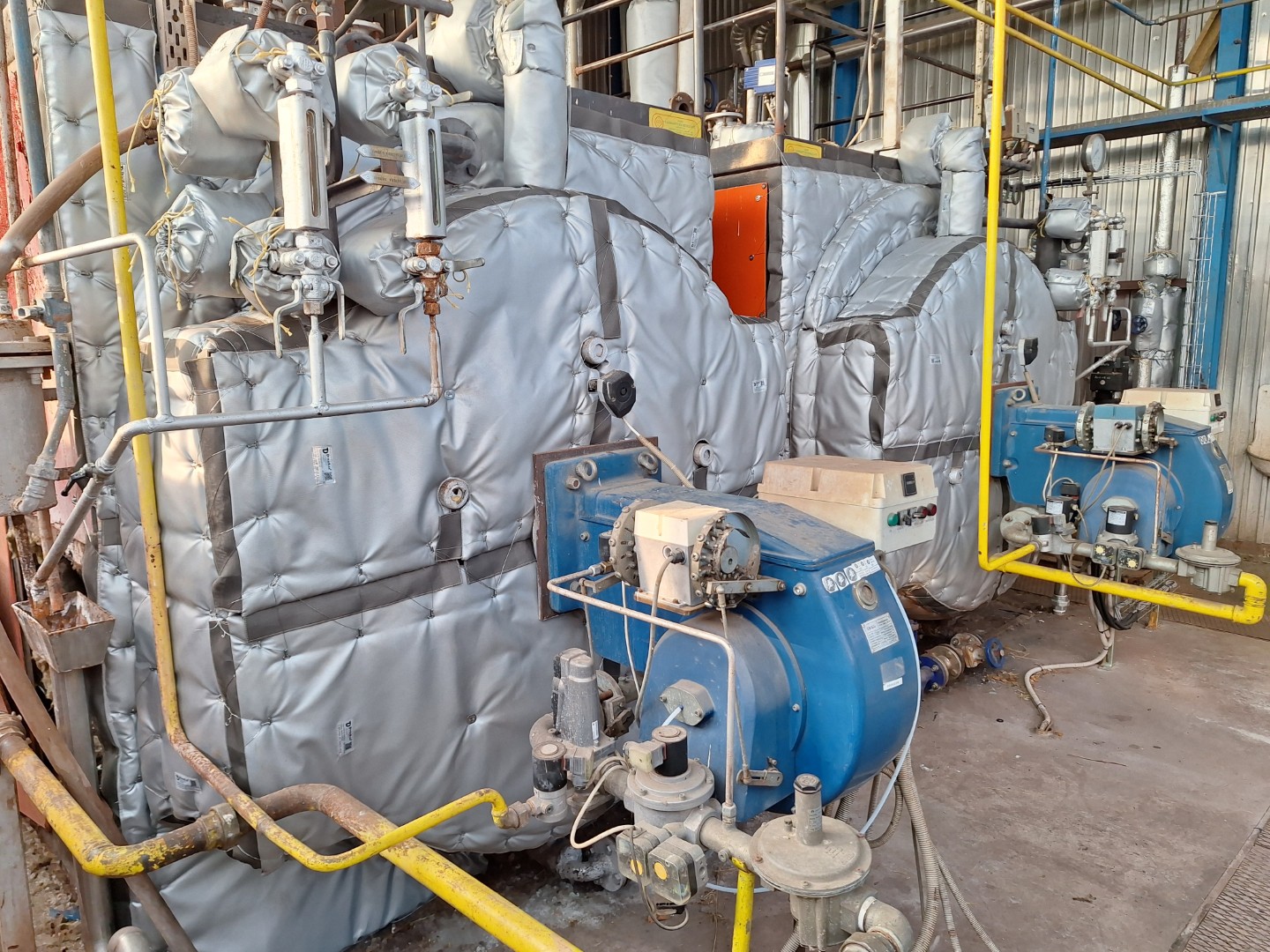
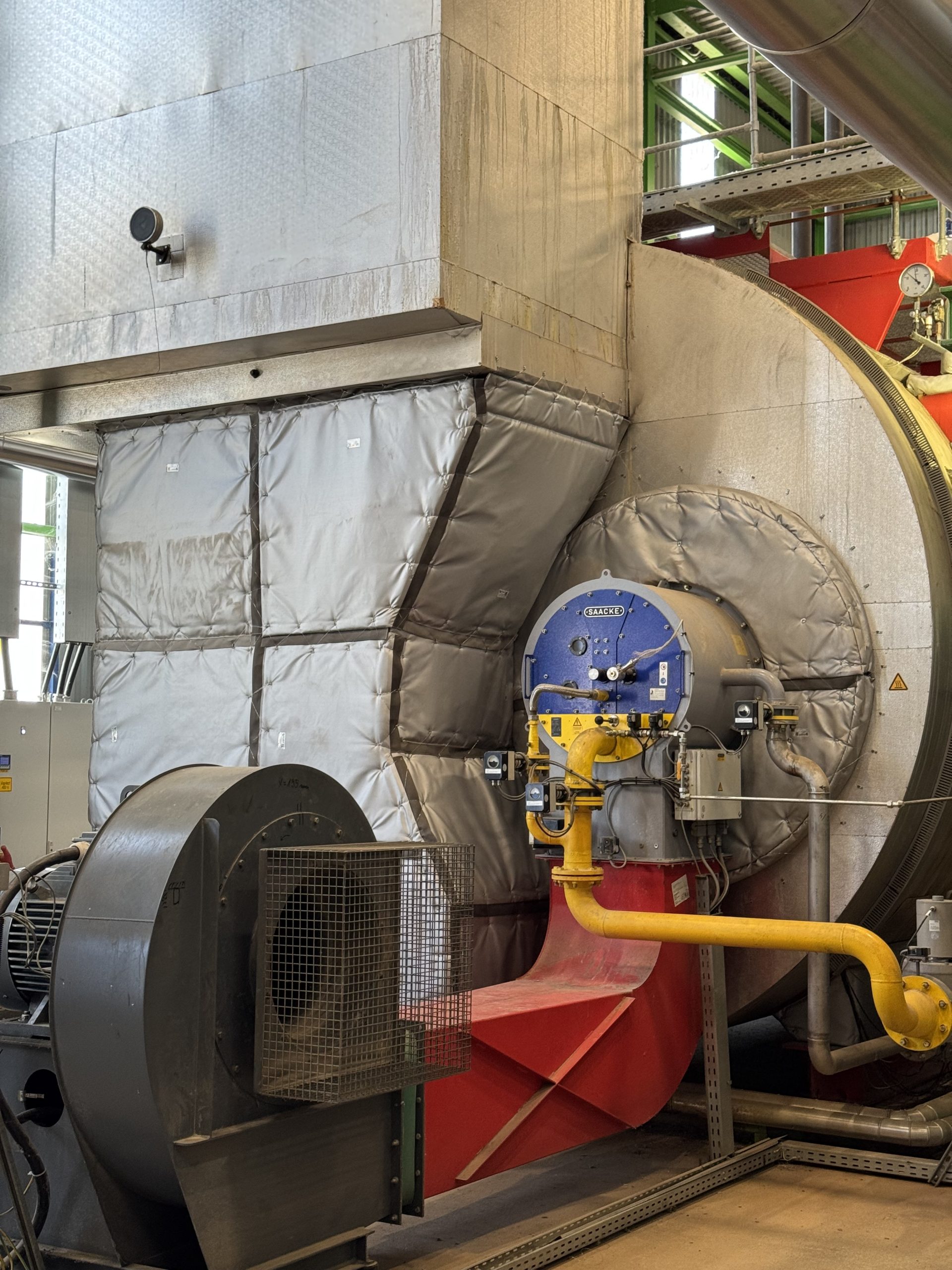
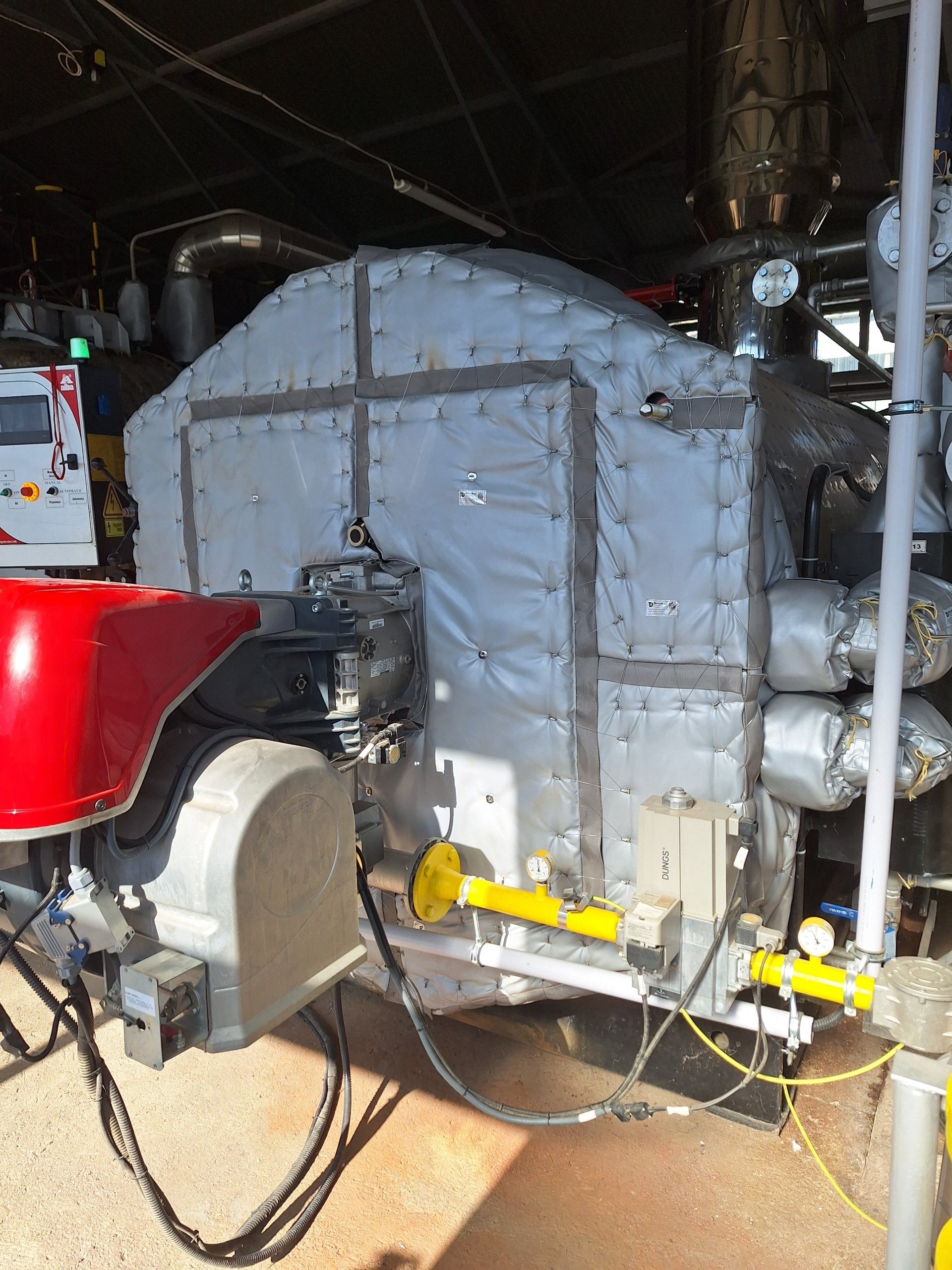
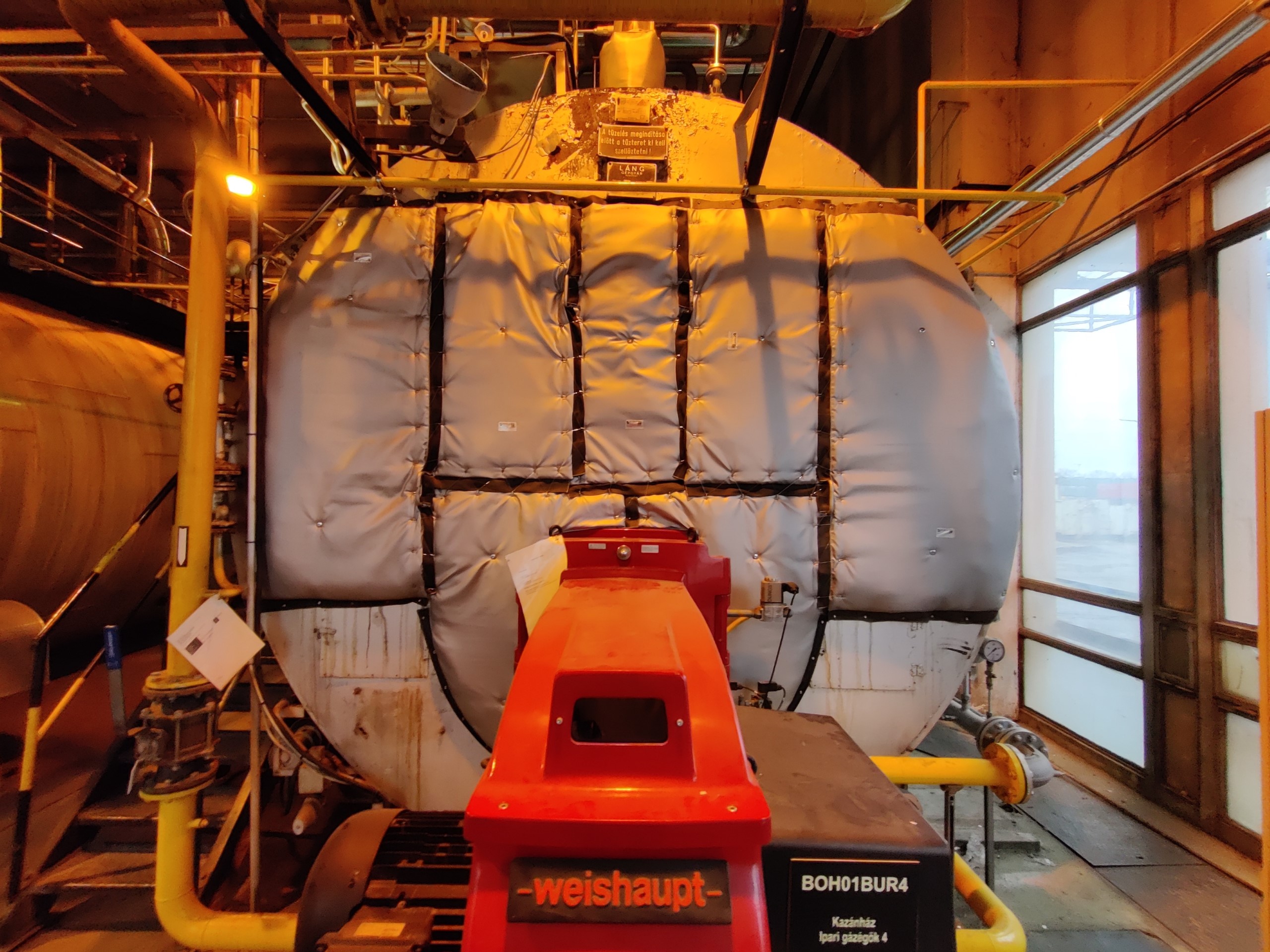
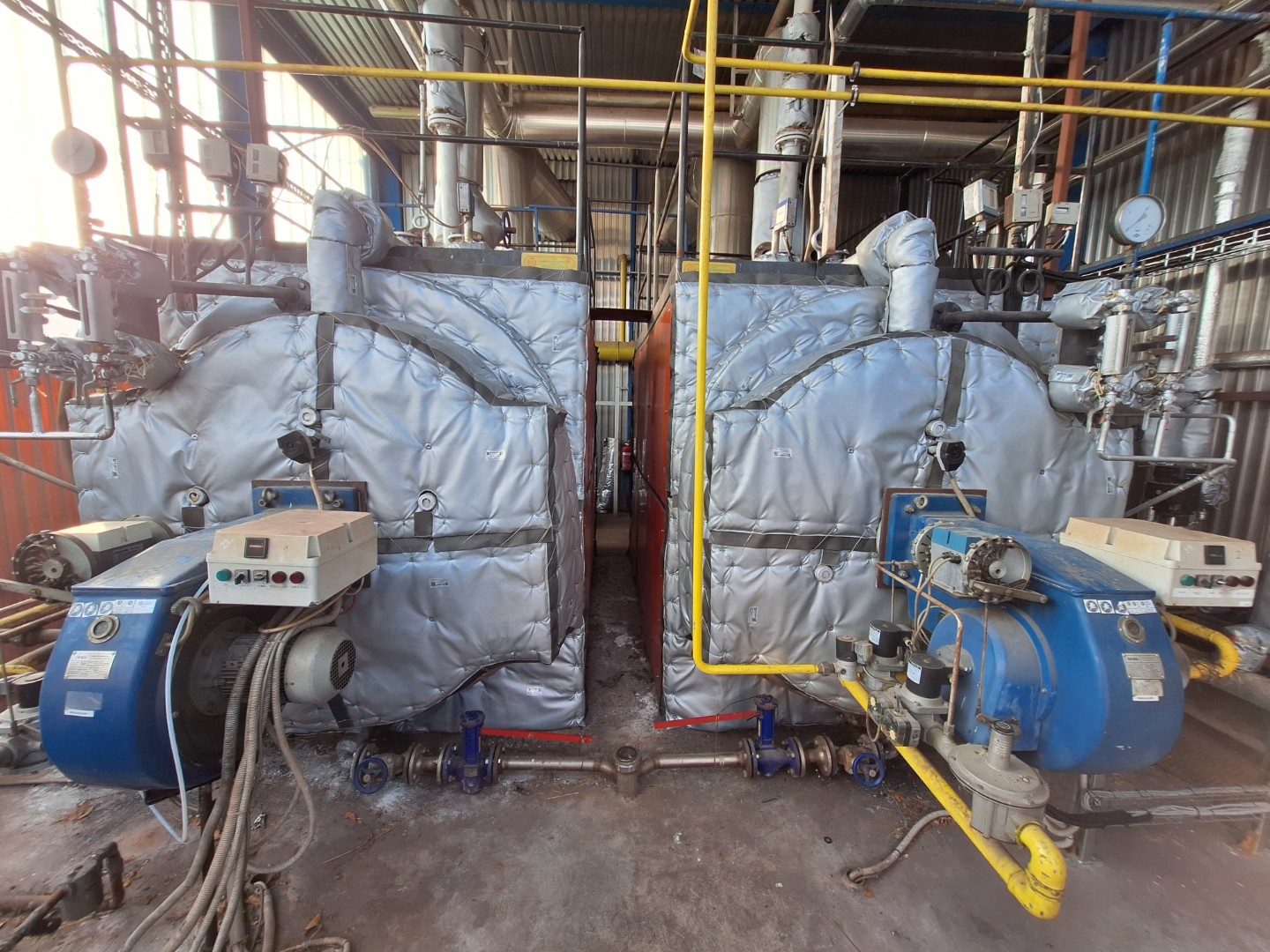
Improving the efficiency of system should begin at the source of heat generation. When installing steam boilers and hot water boilers, the boiler body is always insulated, but the front and back plates, the area around the burner head, the manholes and cleaning apertures, as well as the outlet fittings are almost always uninsulated. This is because conventional hard-shell insulation would have to be reapplied at least once a year, as it cannot be removed non-destructively. We provide a solution to this problem with our reusable DynoFlex insulation jackets. Many of the currently exposed surfaces of boilers can be insulated with insulation blankets that can be non-destructively removed and replaced over and over again for maintenance.
Would you like to know your system’s potential thermal energy savings?
REFERENCES
Frequently asked questions
The front and back plates of boilers are typically left exposed for maintenance, because in most cases they are opened at least annually. However, they continuously dissipate heat into the environment over large surface areas—of up to tens of square meters—thereby reducing the efficiency of heat production.
From the bare surfaces of boilers to heating medium fittings, heat exchangers, condensed and feed water system, including removable connections, fittings and pumps, all surfaces of temperatures over 40 °C should be inspected.
There may be areas on the front and back of a boiler, along sealing lines and around the sight glass where surface temperature can reach 250 °C. The most commonly used DynoFlex insulation, DLT250-S-EG25, has a maximum capacity of 250 °C, which is why it is necessary to use a higher thermal resistance construction for safety reasons.